

If you’ve lived in the Youngstown area for any length of time, you know that home is more than just a building—it’s where your history is. Whether you’re in a classic home in Boardman, a quiet neighborhood in Canfield, or a family property in Poland, the goal for many seniors is the same: to stay in that home safely and comfortably for as long as possible.
However, for most homeowners in NE Ohio, the biggest obstacle to staying at home isn’t the stairs or the yard—it’s the bathroom.
An aging in place bathroom conversion in Youngstown, Ohio, is one of the smartest investments you can make for your long-term independence. But where do you start? This room-by-room checklist will help you prioritize the safety upgrades that matter most.
What “Aging in Place” Means (and Why It’s Not a Standard Remodel)
A typical “cosmetic” remodel focuses on the latest tile trends or vanity colors. While we love a beautiful bathroom, an aging-in-place conversion is different. It’s about functional safety.
The goal is to eliminate “friction points”—those areas where you have to balance on one leg, step over high obstacles, or grip small, slippery handles. At The Bath Builders, we specialize in making these transitions seamless, often completing the most critical work in as little as one day.
The Aging-in-Place Checklist (By Zone)
Entry + Doorway
- Clearance: Is the doorway at least 32–36 inches wide? This allows for easy access with a walker or wheelchair.
- Hardware: Swap out round doorknobs for lever-style handles, which are much easier to operate if you have arthritis or limited grip strength.
Flooring
- Slip Resistance: Look for textured tiles or luxury vinyl with a high “slip resistance” rating.
- Transitions: Ensure the transition from the hallway carpet or hardwood to the bathroom floor is flush to prevent tripping.
Tub/Shower Area
This is the highest-risk zone for falls.
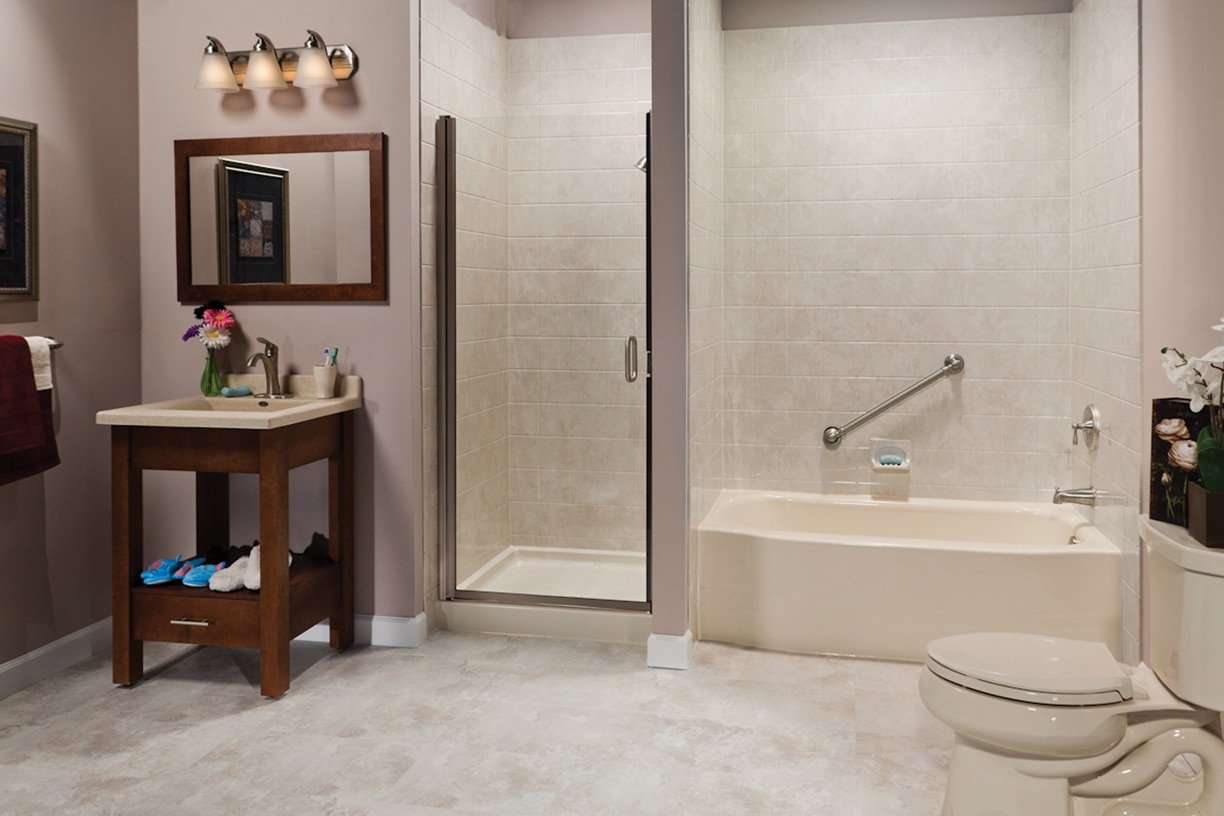
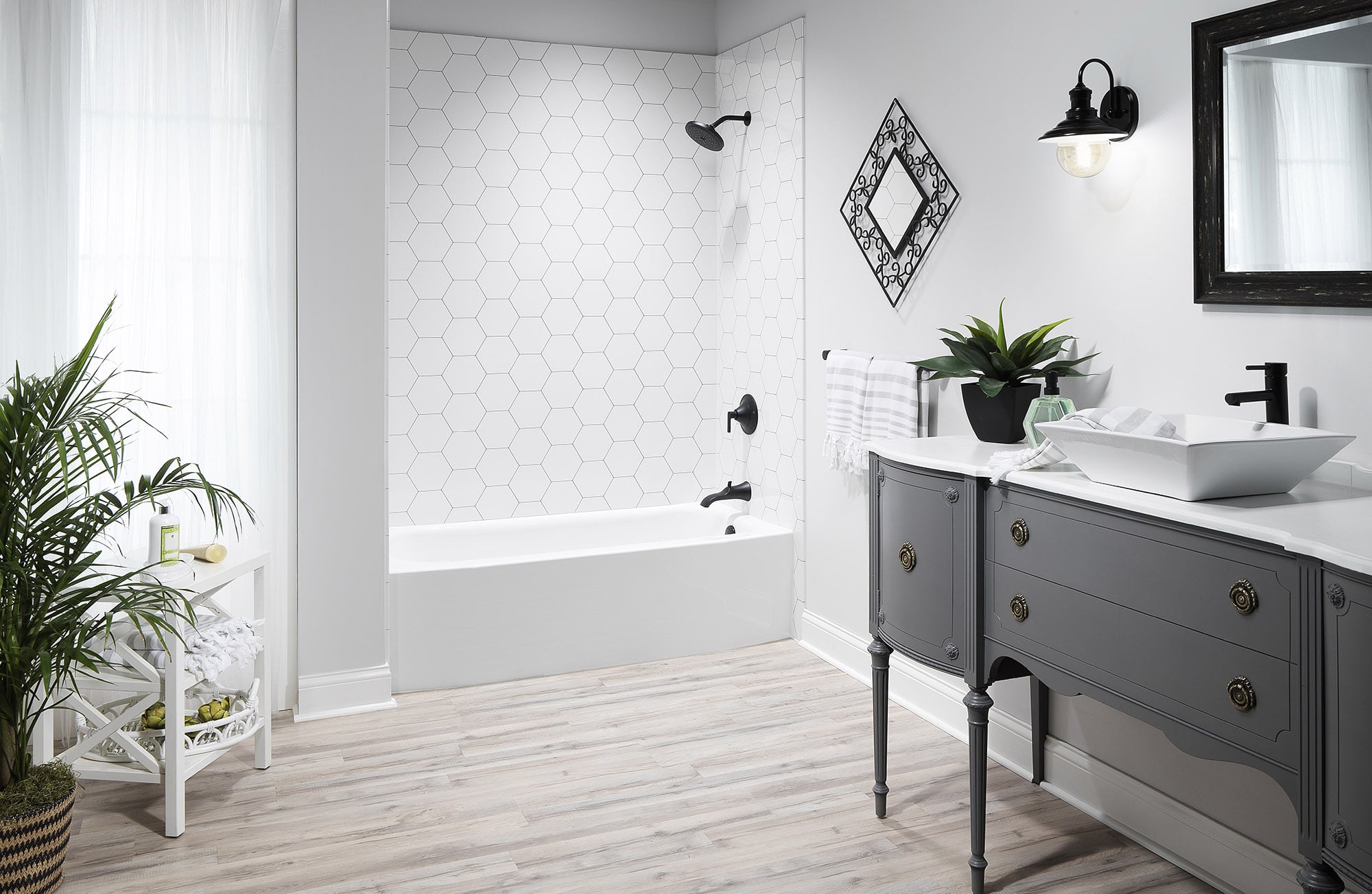
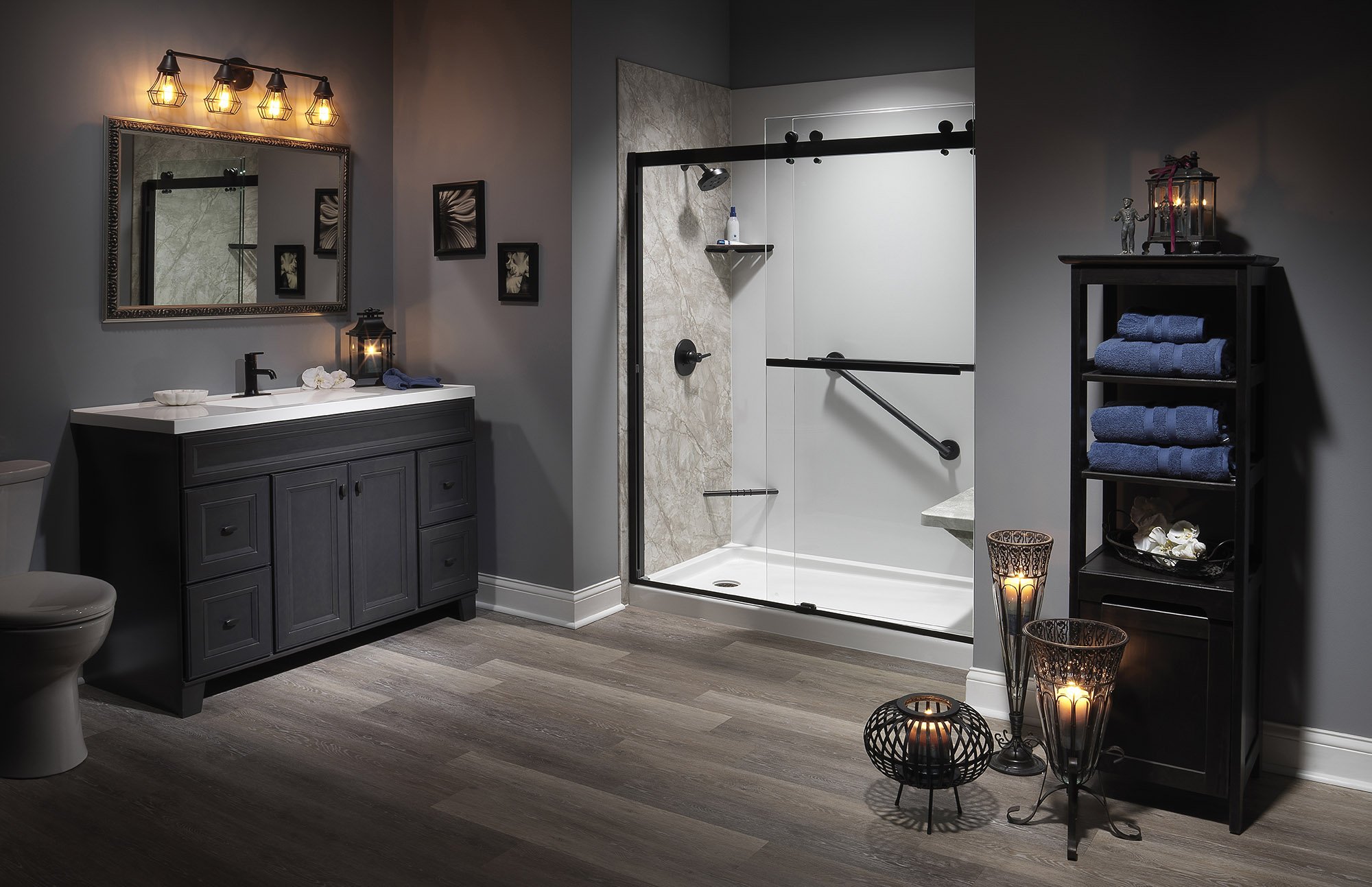
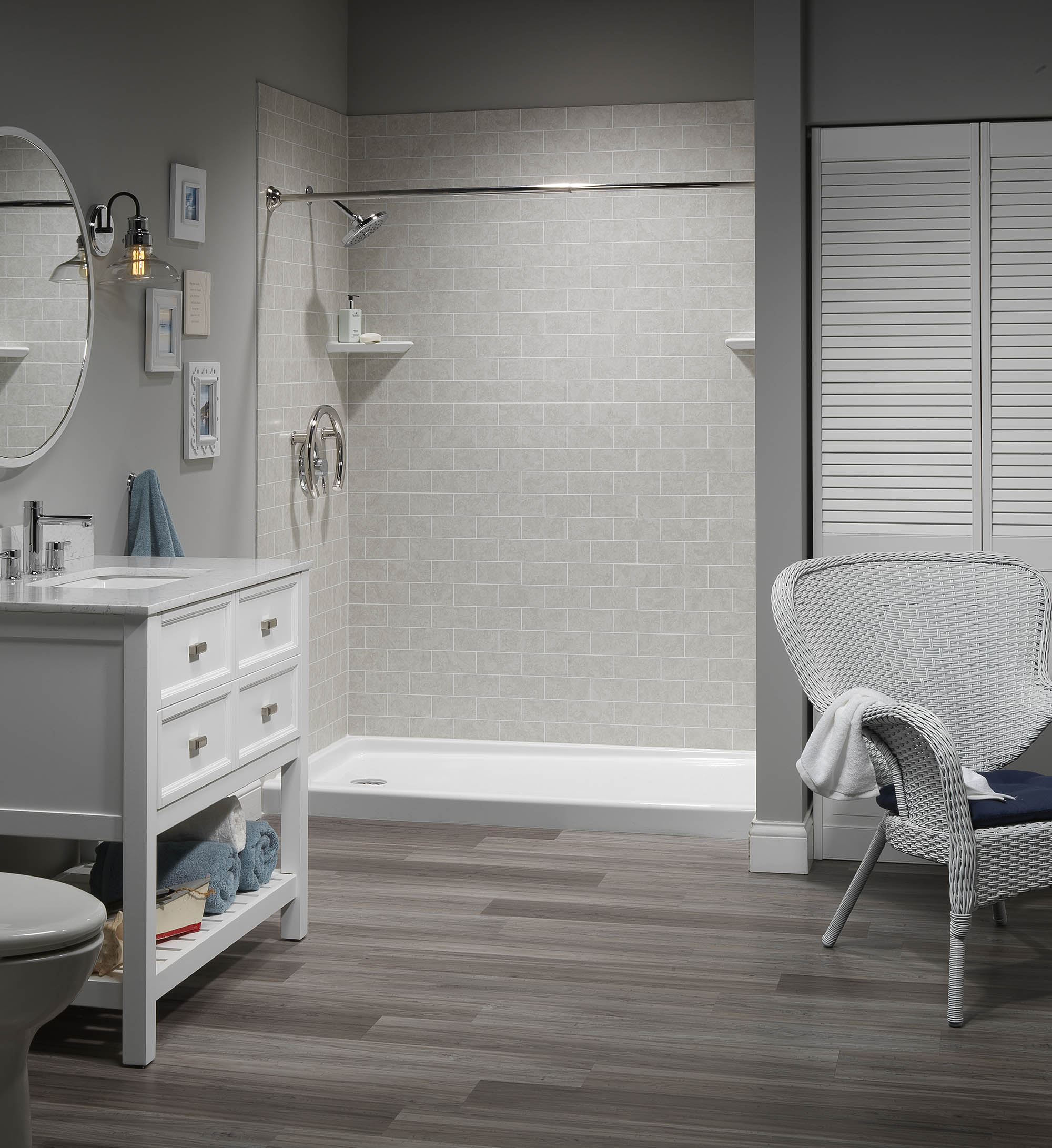
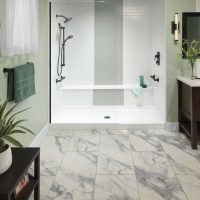
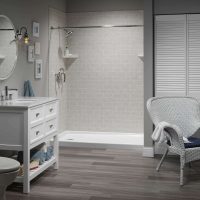
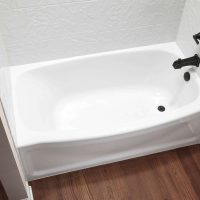
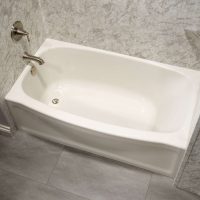
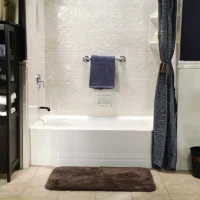
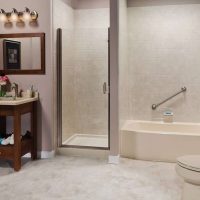
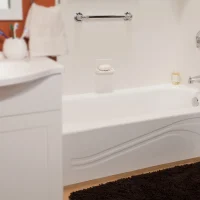
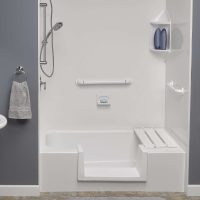
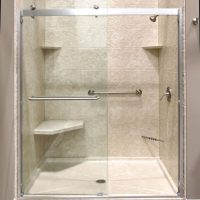
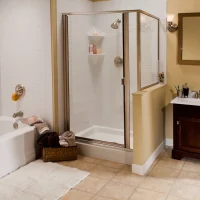
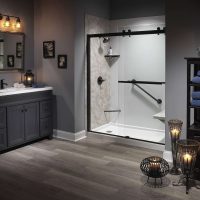
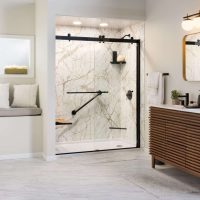
- Low Threshold: A tub-to-shower conversion replaces a high-walled tub with a low-step or “curbless” entry.
- Seating: A built-in shower bench or a secure fold-down seat allows you to bathe while seated.
- Grab Bars: These should be anchored into the wall studs, not just suction-cupped to the tile.
- Handheld Showerhead: A slide-bar handheld shower allows you to adjust the height whether you are standing or sitting.
Vanity + Sink
- Knee Space: If mobility is a concern, consider a vanity with open space underneath to allow for a seated position at the sink.
- Faucet Controls: Single-lever faucets or touch-less models are easier to manage than two-handle setups.
Toilet Area
- Comfort Height: “Right height” toilets are 2–3 inches taller than standard models, making it much easier to sit and stand.
- Support: Install a grab bar on the wall adjacent to the toilet for added stability.
Lighting + Ventilation
- Brightness: Ensure there are no “dark corners.” Bright, LED lighting reduces eye strain.
- Night Lighting: Install motion-activated floor lighting to make those middle-of-the-night trips safer.
The “Big 3” Upgrades That Reduce Fall Risk the Most
If you aren’t ready for a full overhaul, focusing on these three areas provides the biggest safety “bang for your buck”:
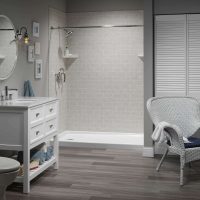
- Converting the Tub to a Walk-In Shower: Eliminates the #1 tripping hazard in the house.
- Strategic Grab Bar Placement: Provides three points of contact at all times.
- Non-Slip Flooring Treatments: Dramatically reduces the risk of a slip on wet surfaces.
Budget + Timeline: What to Expect in Youngstown
One of the biggest myths is that an accessible bathroom Youngstown project has to take weeks. At The Bath Builders, we focus on high-impact, efficient installs.
- Timeline: Most of our shower and tub conversions are completed in just one day.
- Cost: Pricing varies based on the materials and features you choose, but because we use American-made products and specialized installation teams, we eliminate the middleman and the “construction creep” that usually drives up costs.
Next Step: How an In-Home Assessment Works in Youngstown
Ready to see what’s possible for your home? We offer no-pressure, in-home assessments throughout the Youngstown area, including Austintown and NE Ohio.
We’ll walk through your space, listen to your concerns, and provide a clear, fixed-price quote. No guesswork, just a plan for a safer home.
GET A QUOTE “Want a safer layout without a weeks-long remodel? Request a no-pressure in-home assessment in the Youngstown area.”
Frequently Asked Questions
- How long does an aging-in-place bathroom conversion usually take? Most of our core safety upgrades, like a walk-in shower conversion, are completed in just one day. This minimizes disruption to your routine and ensures you aren’t without a bathroom for long.
- Do I need a curbless shower for aging in place? Not necessarily. A low-threshold shower (2-3 inches) is often sufficient for many seniors. However, a “curbless” or “roll-in” shower is the gold standard for full wheelchair accessibility.
- Where should grab bars go (and how are they anchored)? Grab bars should be placed at the entry to the shower, on the back wall of the shower, and near the toilet. We ensure they are securely anchored into the wall framing (studs) to support the full weight of an adult.
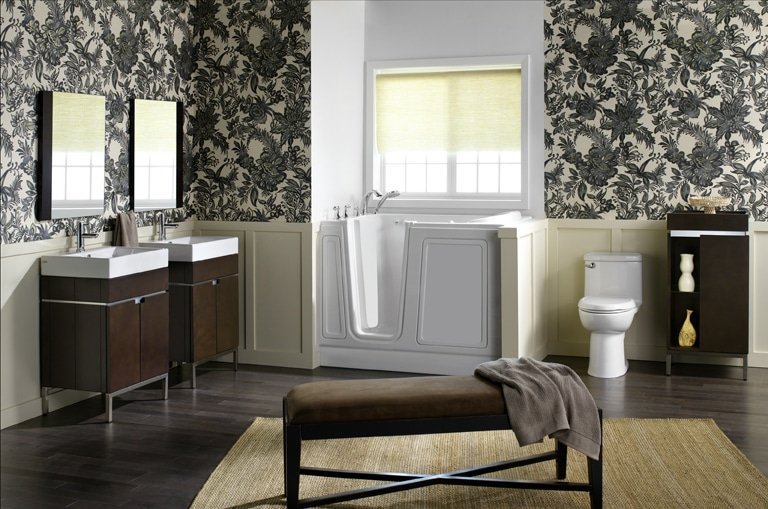
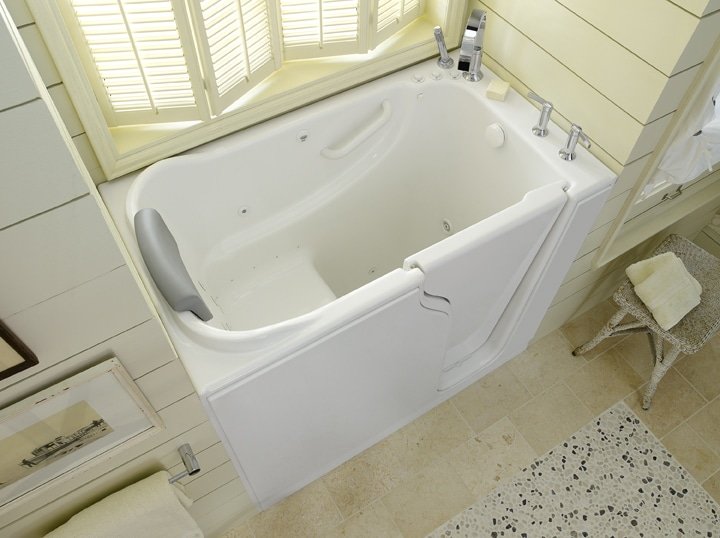
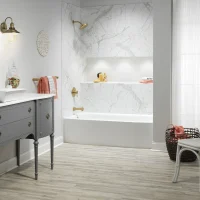
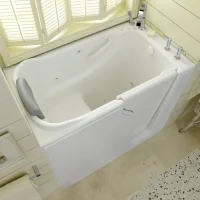
- Can we keep a bathtub and still improve safety? Yes. For those who still enjoy a soak but struggle with balance, we recommend walk-in bathtubs. They feature a leak-proof door, built-in seating, and therapeutic jets.
- What’s the most cost-effective safety upgrade? Adding high-quality grab bars and a handheld showerhead are the most affordable starting points. However, the most effective long-term solution for safety is replacing the bathtub with a low-step shower.